
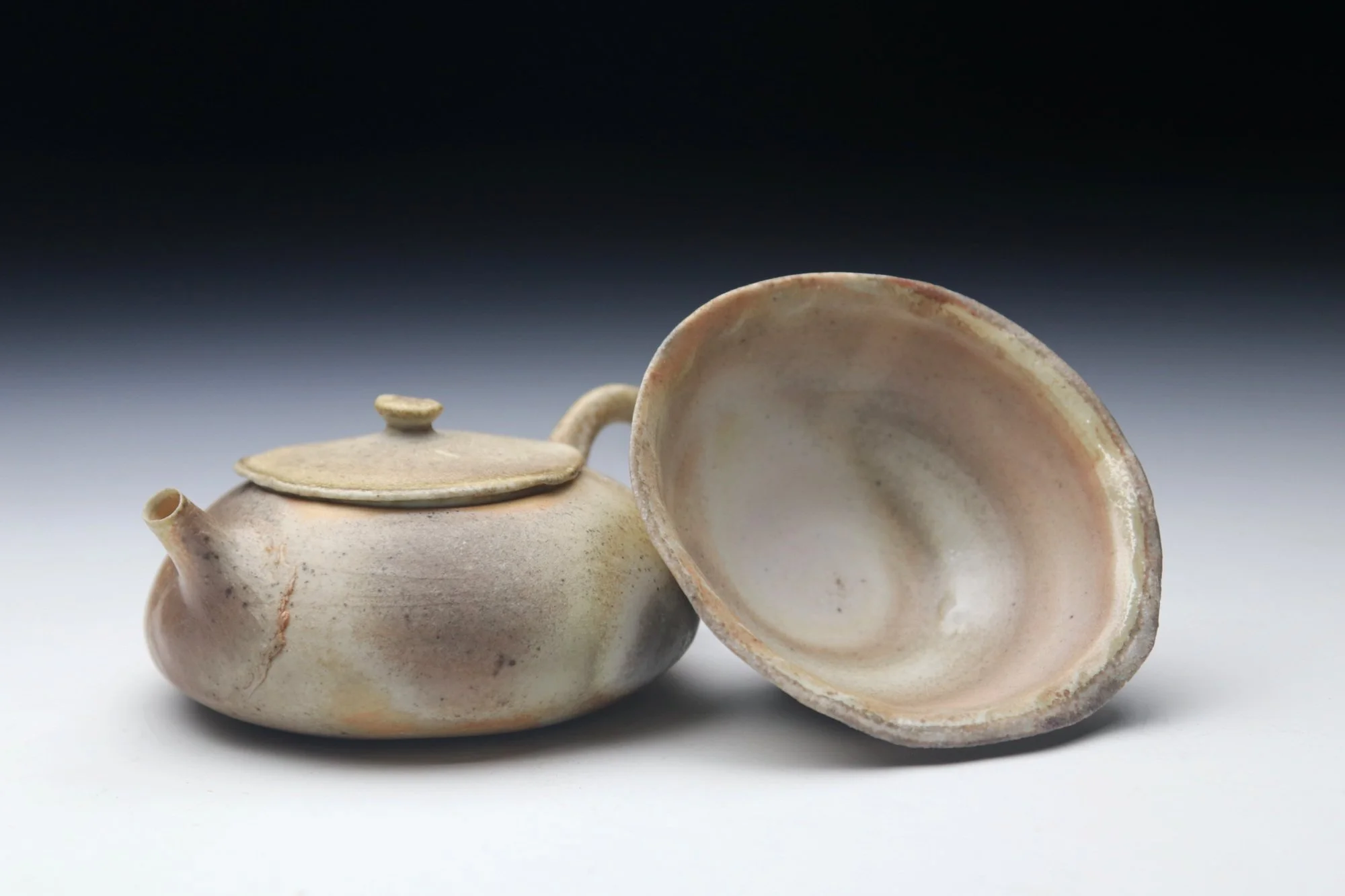
 Image 1 of 5
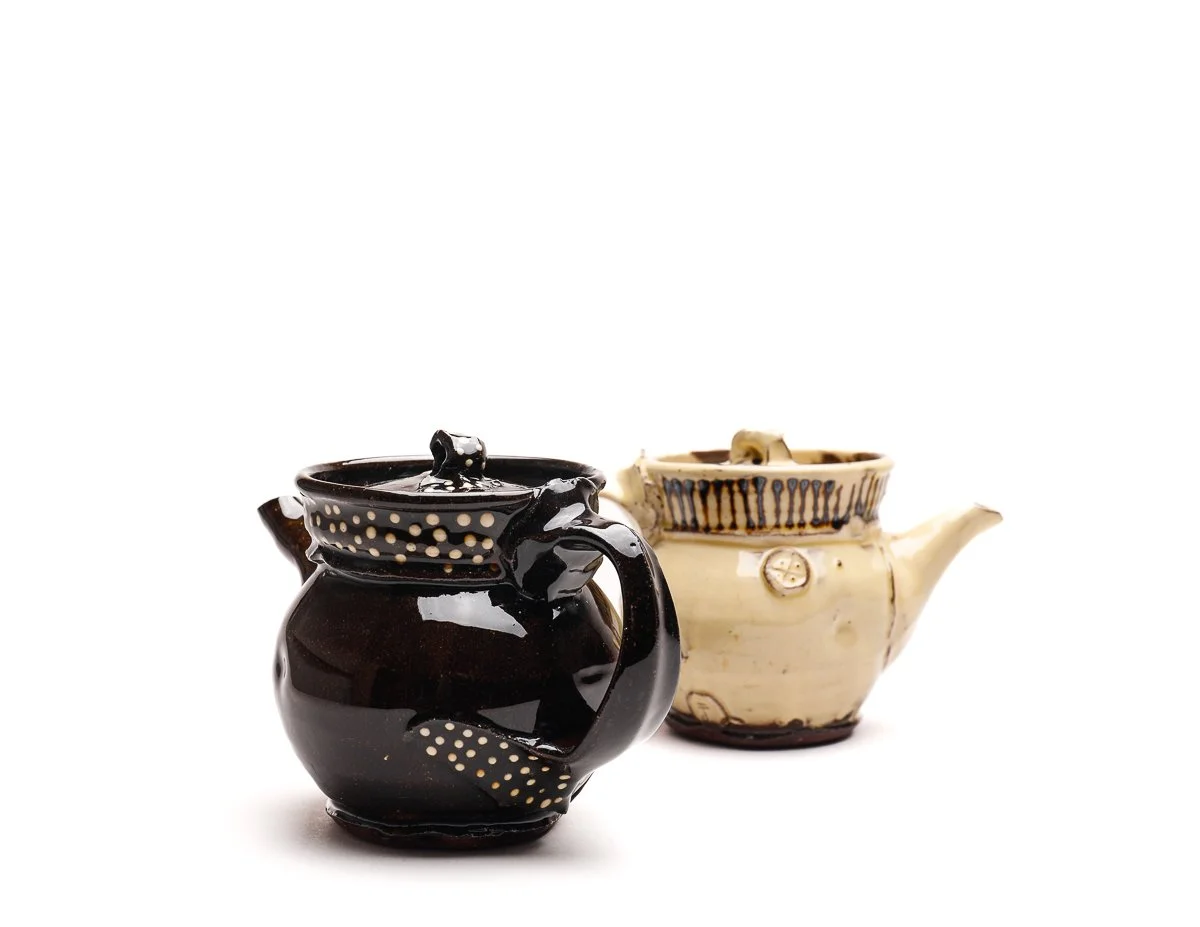 Image 2 of 5
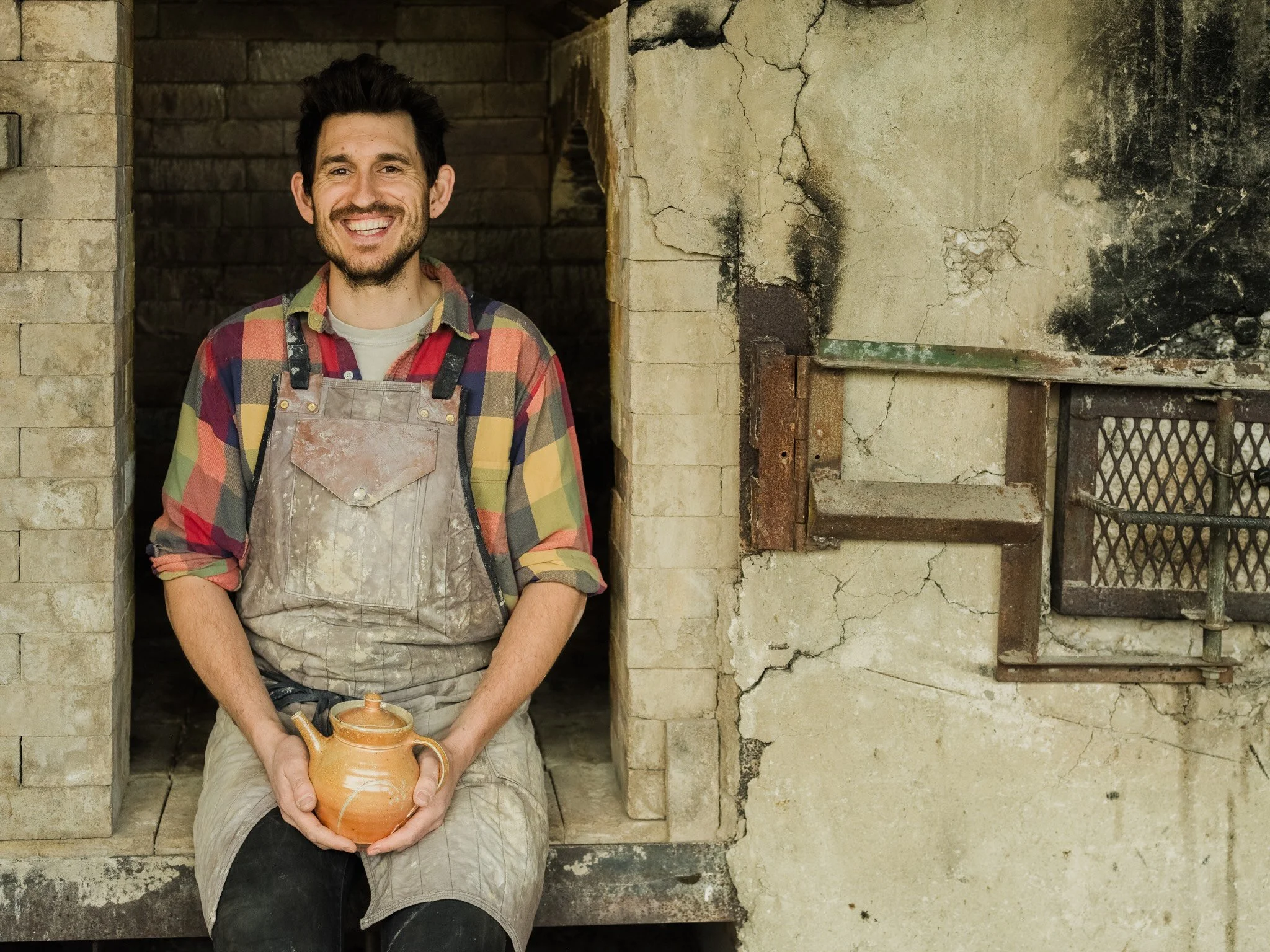 Image 3 of 5
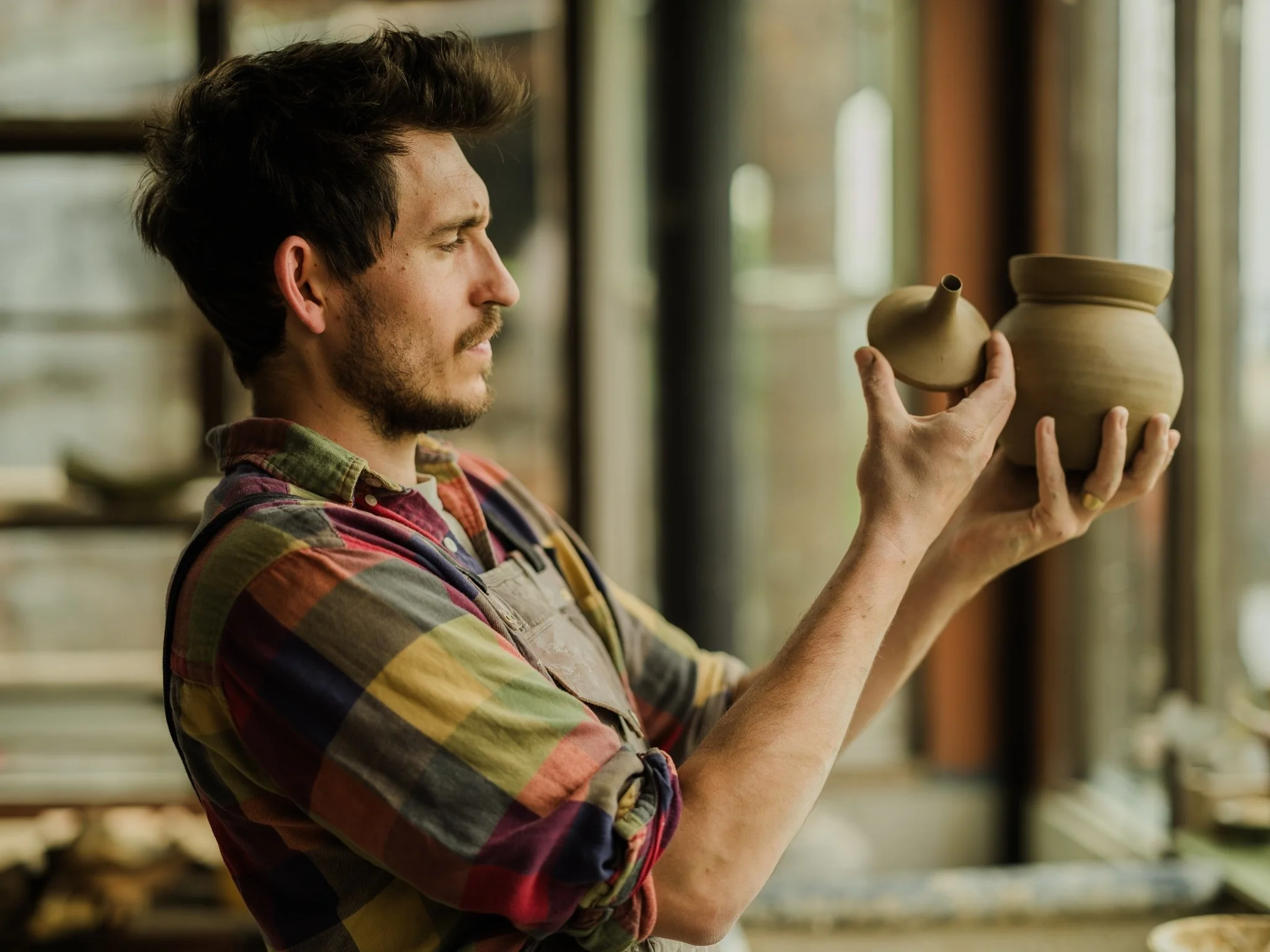 Image 4 of 5
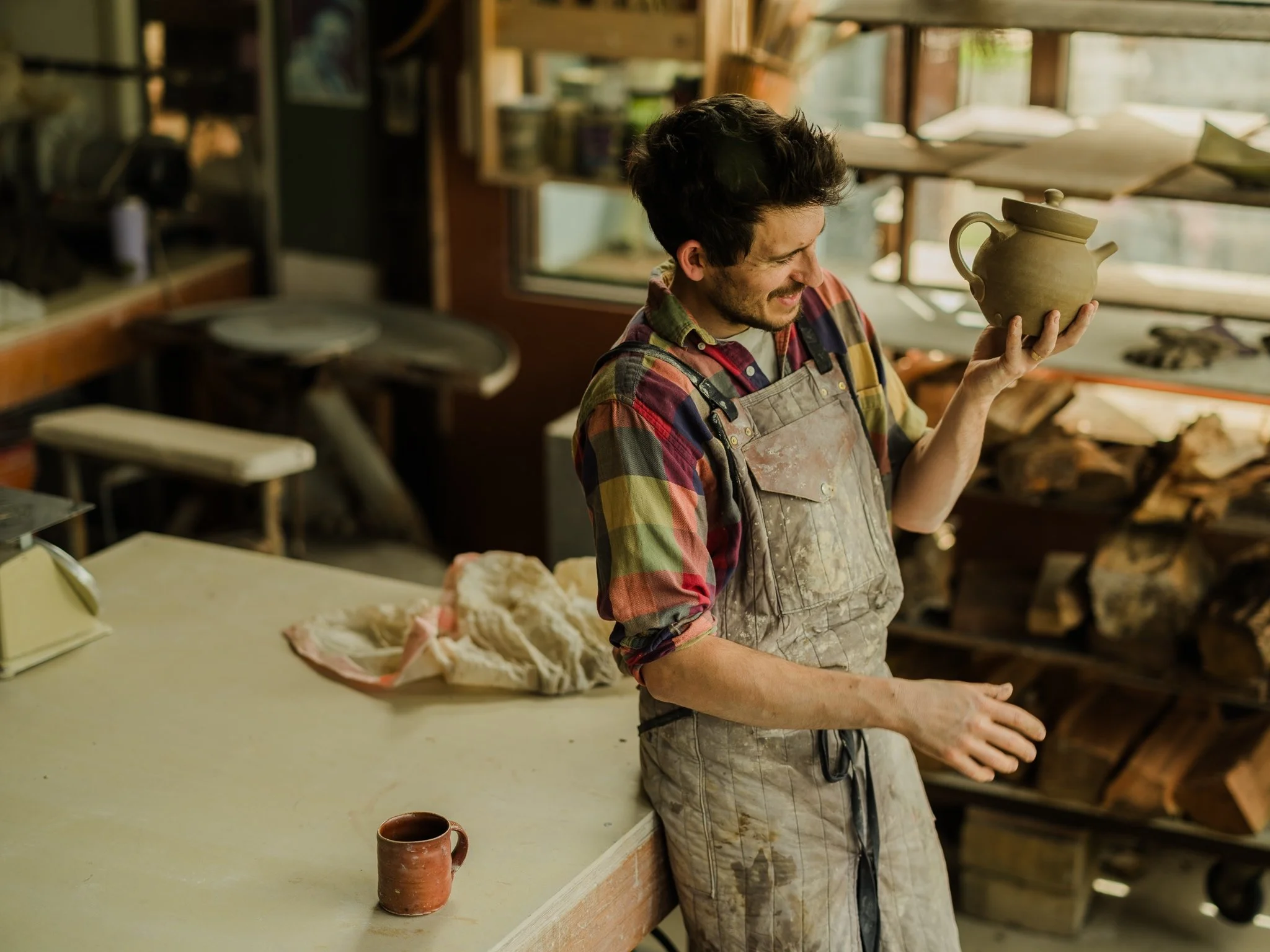 Image 5 of 5
In this workshop, Hamish will demonstrate teapot construction techniques on and off the wheel. He will show participants how to make both small Chinese-style gong fu teapots, Japanese style kyushu with side handles and larger English-style teapots.
Participants will be pushed to try and make both of these styles of teapots. It is a great challenge to try these different forms and sizes of teapot parts. The bodies will be thrown from single balls of clay and the additional pieces such as spouts and lids will be thrown off the hump.
There will be time for play! This should be a really fun few days. Participants will have room to experiment with different kinds of lids, sprouts, knobs and handles. To end the class we will use the leftover parts to make some eccentric collaborative teapots.
Tea will be sampled every day! Hamish will bring an array of different teas to share. If any participants enjoy baking, bringing cake along is highly encouraged.
This workshop is appropriate for people who have done some throwing before. Participants with any experience level are welcome to join, but those who have a little more may find it easier. Teapots are complex and not necessarily for beginners, but if you are up for a challenge, Hamish would love to have you in the workshop!
In addition
Participants are also encouraged to bring a pot which is meaningful to them for discussion with the group. At an opportune moment we will gather to discuss our pots. These could be made by the participants or someone else … it should be a pot that they have lived with for a while, that has some meaning to them, and they’d like to bring to share with us.
The workshops will be from 10:30am-4:30pm on Friday 30th July- Sunday 1st August 2027.
A light, vegetarian lunch will be provided each day but do let us know about dietary requirements. On the first day, participants are invited to bring a dish to share with the group at a pot luck lunch.
Participants are welcome to arrive from 10am where hot drinks and pastries will be served in the gallery downstairs.
Participants are welcome to take home pots made on the course to glaze and fire themselves, or they can be glazed and fired in-house for an additional fee of £10 per kilo, and picked up at a later date.
This is an adult’s class and is not suitable for under 18s.
Hamish Jackson Artist Biography
Halfway through his undergraduate literature degree, Hamish realized he wanted to become a potter. He started out at Winchcombe Pottery in England, then completed a four-year apprenticeship with Mark Hewitt in North Carolina, followed by an MFA at Utah State University.
Hamish is a studio potter, exhibiting and teaching across the U.S., Europe, Asia, and New Zealand. He focuses on using local materials in his work. Hamish seeks to make pots that people love to use and connect them to the landscapes where his materials come from.
Hamish is currently loving being back in the UK, managing the adult classes at the Leach Pottery in St. Ives, Cornwall alongside his own potting out of Trencrom Hill. He is also a self-confessed tea and teapot enthusiast!
Hamish has studied tea and its ceramic accessories from different cultures around the world. Nothing makes him happier than making pots in service of tea, and then having a cuppa with friends.
Hamish Jackson Artist Statement
I want to make the mug or the teapots that you reach for – the one that never makes it into the cupboard. My ideal pot is generous and expressive and retains the malleability of wet clay. Its delicious squishiness!
I dig clay for the bodies of the pots and collect rocks to glaze them. Cornwall has many useful materials for potting. Granite is a favorite ingredient. Processing rocks and clay is often laborious and requires lots of testing. It is very time-consuming but I can’t help myself.
Why?
Using local materials – which are less processed than those you can buy from pottery suppliers – gives pots variation and life. They can be grittier, dirtier, and more inconsistent.
Foraging for materials cuts down the environmental impact of my pottery practice, with the materials travelling fewer miles to get to the studio.
Working with local materials connects me to the land, and I hope to pass this connection on to the people who use my pots in their homes. The pots become ambassadors for the landscape, bridging daily rituals with the geology beneath us.
My pots are labor of love that represent a growing relationship with the land around me in Cornwall.